






Alaskan Halibut (Portion)
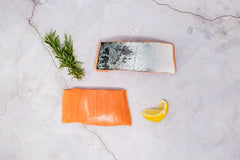
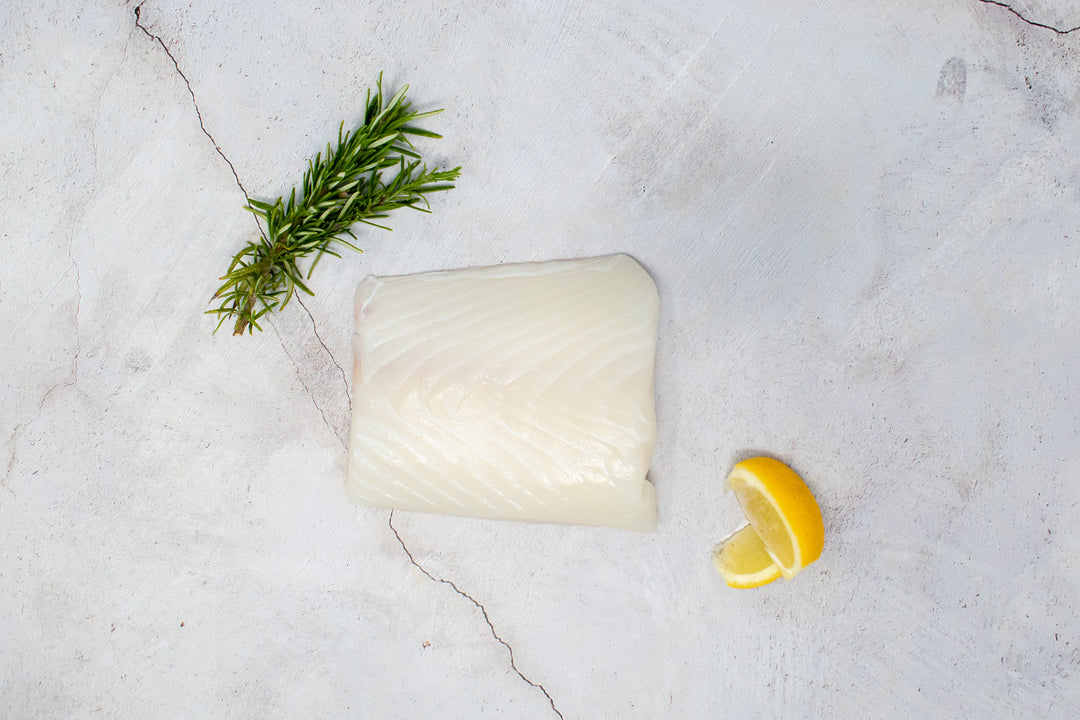
Alaskan halibut is the firmest and cleanest-tasting of the white fish, and it is the fish most people order when they want something that will not fall apart in the pan. Ours is longline-caught in Southeast Alaska, cut into skinless portions and flash-frozen at sea.
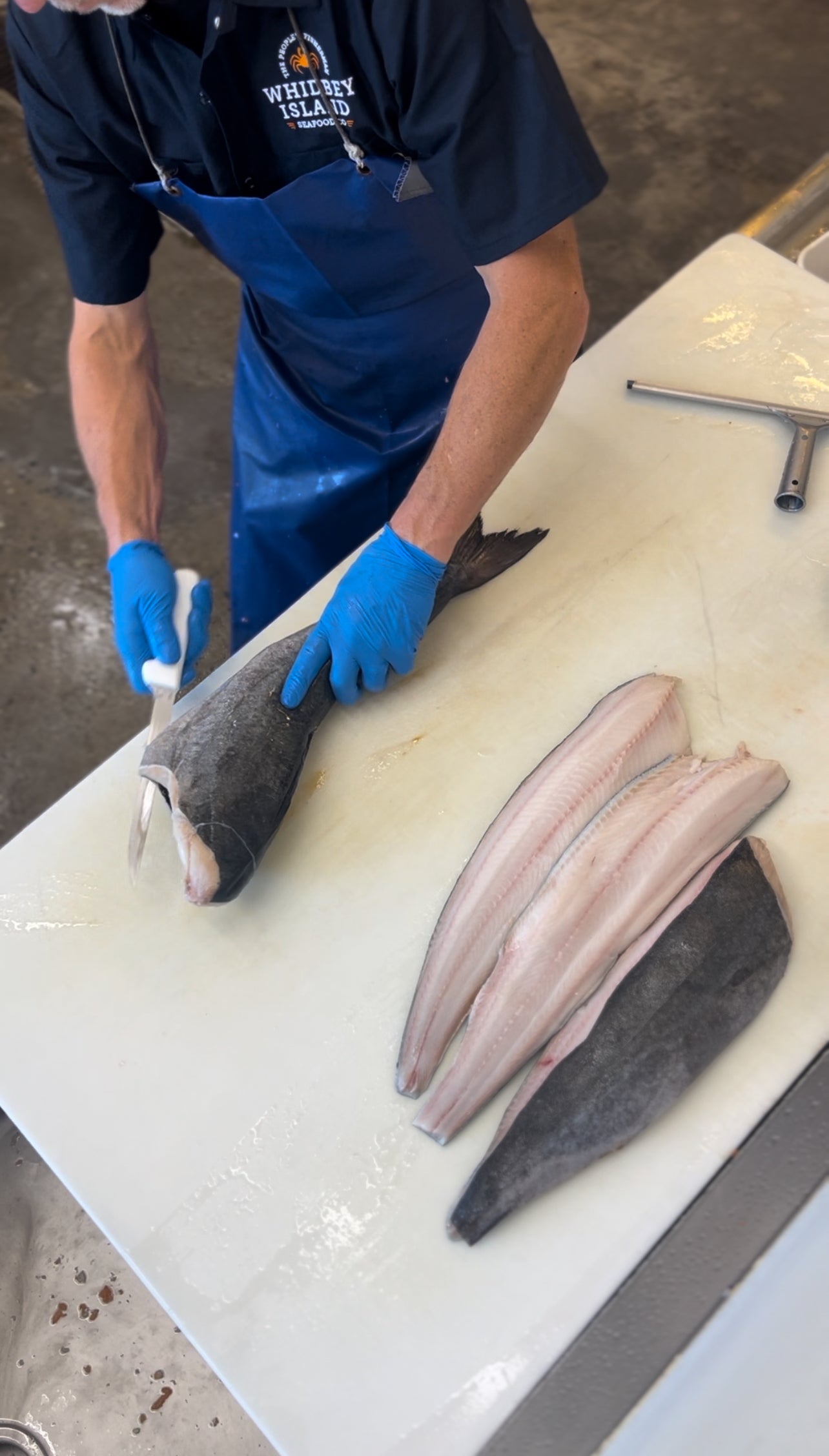
Halibut is a large flatfish, and where a portion is cut from matters more than with most fish. Thick centre cuts cook evenly and stay moist. Tail-end cuts are thinner and better suited to fast, high heat. We sell both, and we tell you which is which.
Choosing your portion
- 7 to 9 oz, premium centre cut. Thick, even fillets from the prime centre of the fish. Buy this one if you are pan-searing or roasting and want it to look like a restaurant plate.
- 5 to 6 oz. Slightly thinner, may include smaller centre cuts or upper tail pieces. A sensible everyday portion.
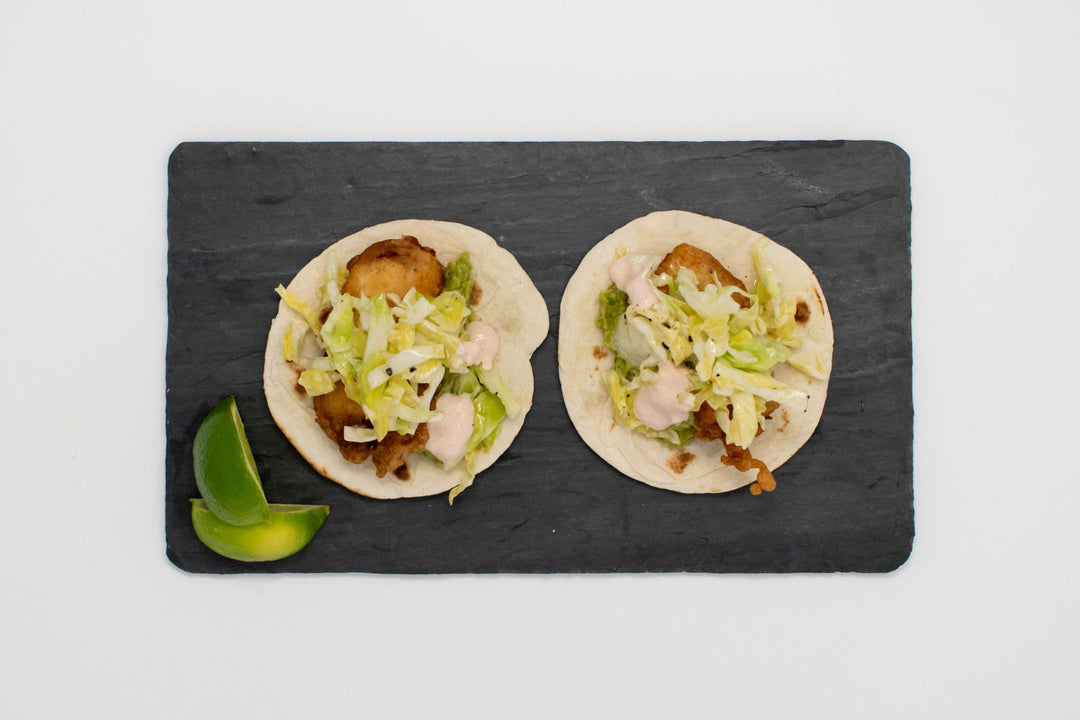
- 3 to 5 oz. Thinner cuts, usually from the flavourful tail end. Good for fish tacos, curries and anything where the fish is cut up anyway.
Longline-caught in Southeast Alaska
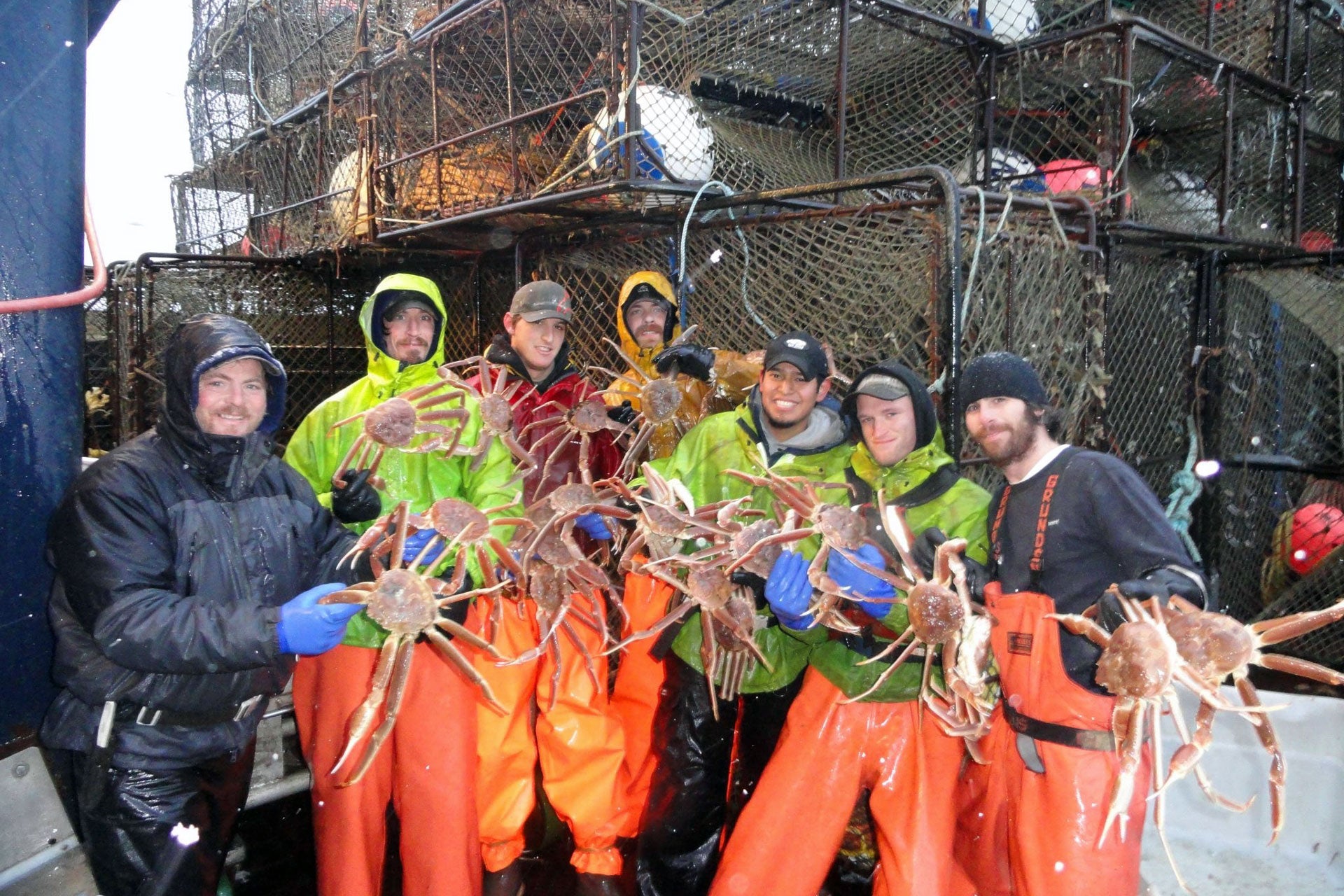
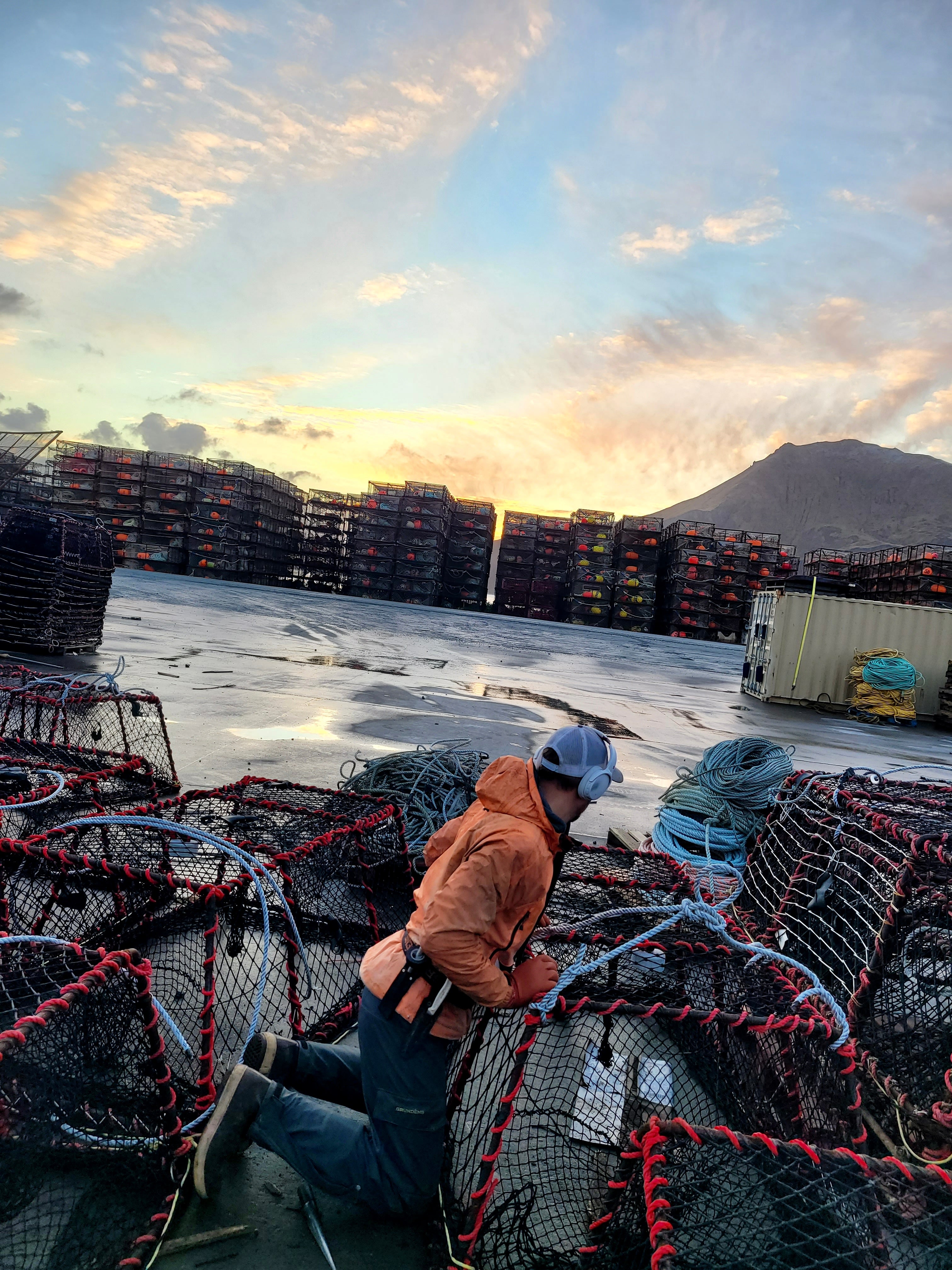
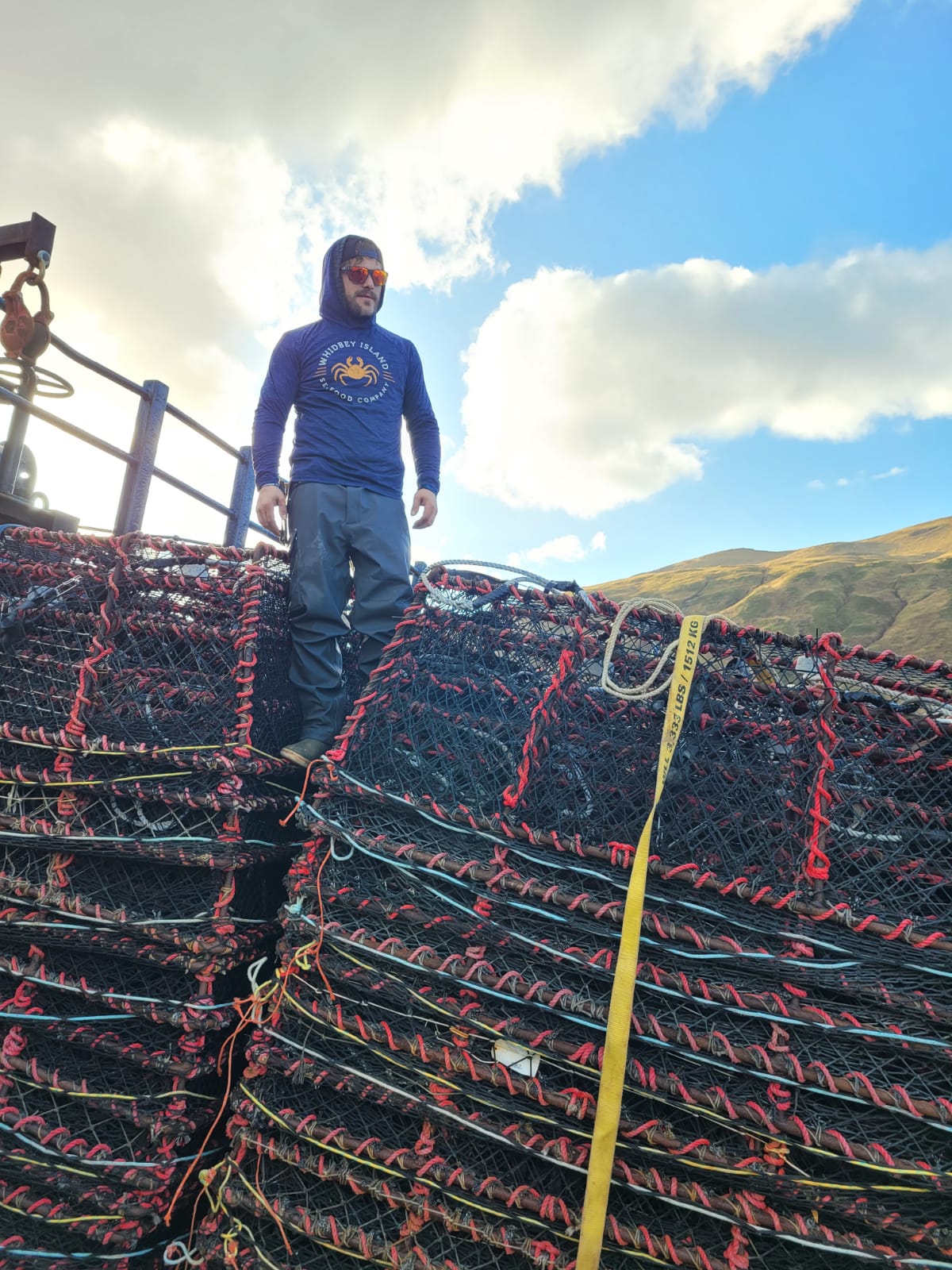
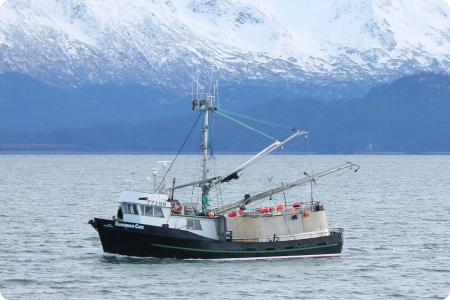
Longlining catches halibut one hook at a time. It is slower than trawling and it does far less damage to the seabed, and it lands the fish in better condition. Our halibut comes in from a fishermen-owned fleet operating in Southeast Alaska, including the F/V Dangerous Cape and the F/V Kaia, and it is frozen on the boat rather than iced for a trip back to shore.
How to cook Alaskan halibut
Halibut is lean, which means it is unforgiving of overcooking and superb when you get it right. Pull it at 130°F to 135°F in the centre and let it rest.
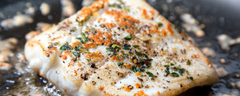
- Pan-sear: thaw, pat completely dry, sear 3 to 4 minutes on the first side in a hot pan with butter, then 2 minutes on the other.
- Roast: 400°F for 10 to 12 minutes for a centre cut.
- From frozen: roast at 425°F for 18 to 20 minutes. It works, and it is better than a rushed thaw.
It takes strong flavours well: lemon and garlic, brown butter and capers, miso, or a herb crust. Try our lemon and garlic halibut or halibut ceviche.
Questions people ask
What does Alaskan halibut taste like?
Mild, clean and slightly sweet, with a firm, meaty texture and large flakes. It is the least fishy of the white fish, which is why it converts people who think they do not like fish.
Is Alaskan halibut better than Pacific halibut?
Alaskan halibut is Pacific halibut. Alaskan describes where it was caught rather than a different species, and Alaskan waters are the coldest and cleanest of the Pacific halibut range.
How do I stop halibut drying out?
Take it off the heat at 130°F to 135°F in the centre and let it rest for a few minutes. Halibut is very lean, so the window between perfect and dry is narrow.
- Serving Size - 6oz
- Calories - 120cal
- Fat - 15g
- Carbs - 0g
- Protein - 24g
To ensure the highest quality and safety, follow these recommended methods for thawing seafood:
Refrigerator Thawing: Place the seafood on a plate and thaw in the refrigerator for 6-8 hours or overnight. This method maintains a safe, constant temperature and preserves the best quality.
Cold Water Thawing: For faster thawing, place your vacuum-sealed seafood in a bowl of cold water, changing the water every 30 minutes. Once thawed, remove the seafood from the packaging, rinse gently with cool water, and pat dry.
Whidbey Island Seafood Company offers to ship to all orders outside of Whidbey Island, Washington. For more information please refer to our Shipping Policy Page.