
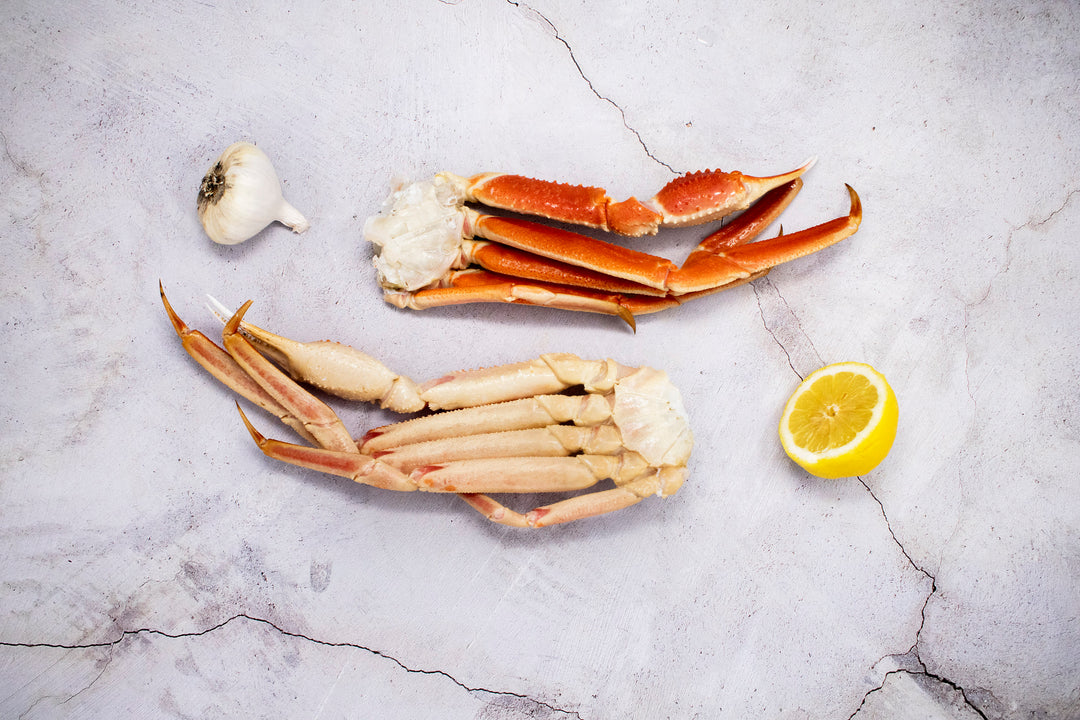
alaskan-opilio-crab-cluster-whidbey-seafoods

Alaskan Snow Crab (Opilio)

Regular price$70.50 2-2.5lbs per order
/
Shipping calculated at checkout.

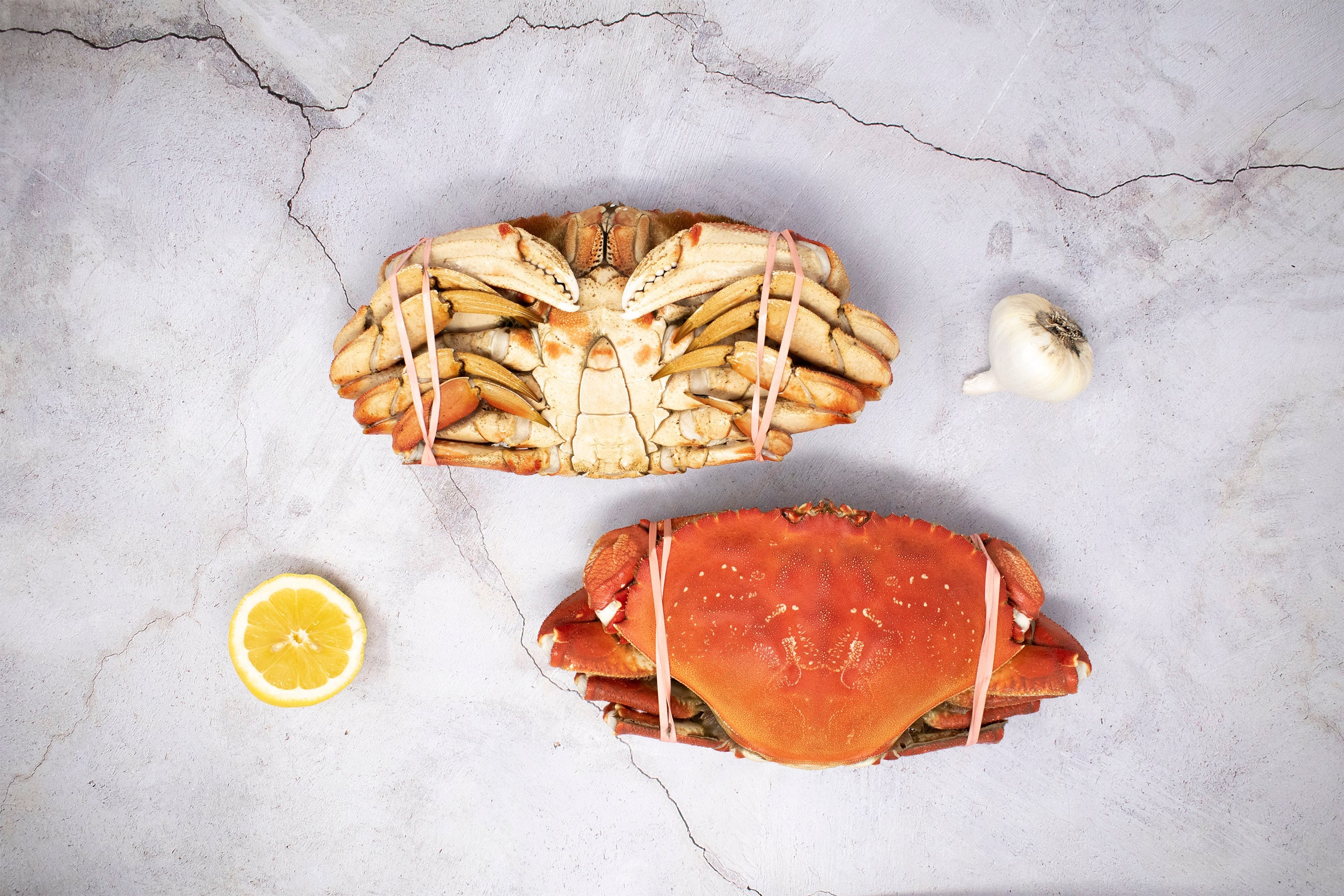
Opilio crab is snow crab. The two names are the same animal: Chionoecetes opilio, a cold-water crab caught in the Northern Bering Sea, prized for sweet, delicate meat and a shell soft enough to open without tools. If you have seen it written as "opie crab" or "opelio", that is the same crab again.

A cluster is a whole section of the crab, legs and shoulder still joined, rather than legs sold loose. You get more meat per shell, including the shoulder meat that most people rate as the best part. Each order is approximately two clusters, weighing 12 oz to over 16 oz each, for a total of 1.5 to 2.5 lb.

Caught and processed at sea

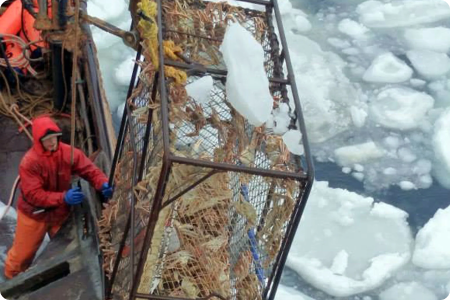
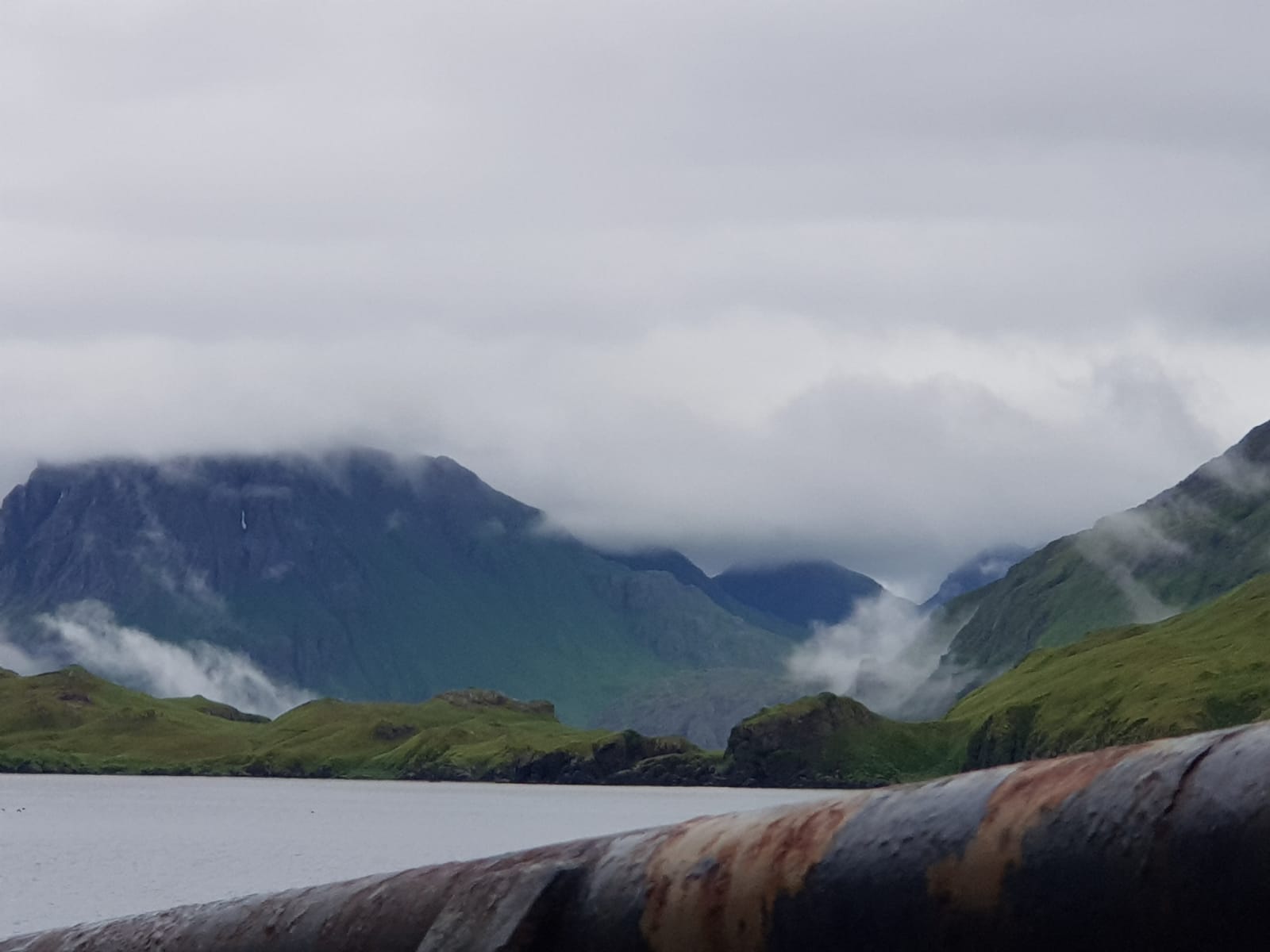
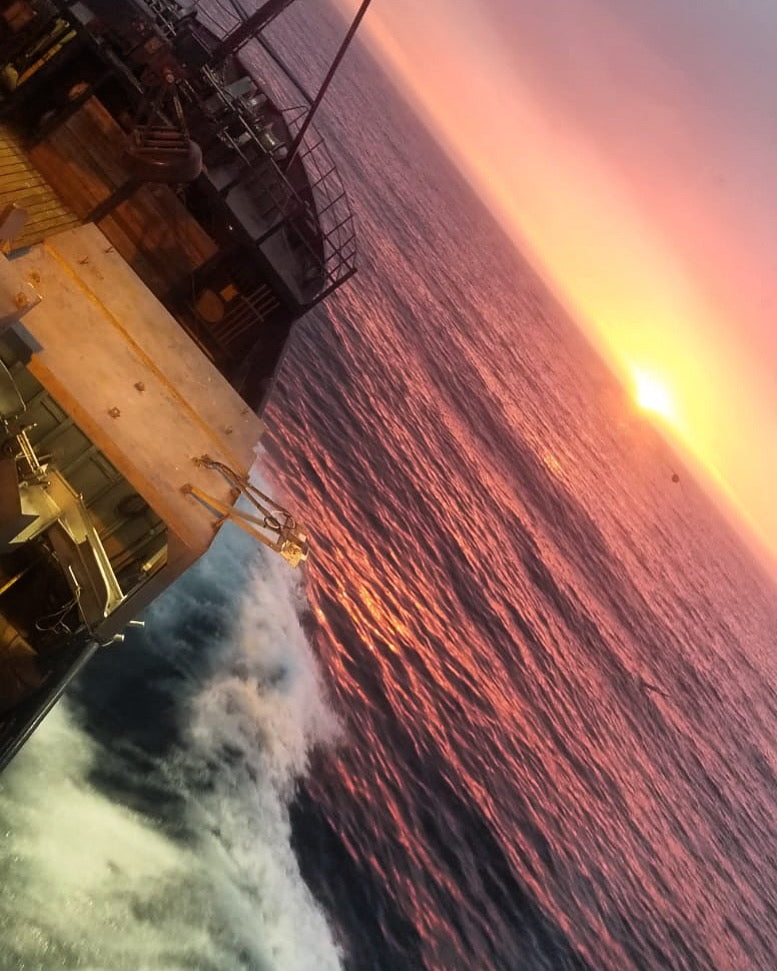
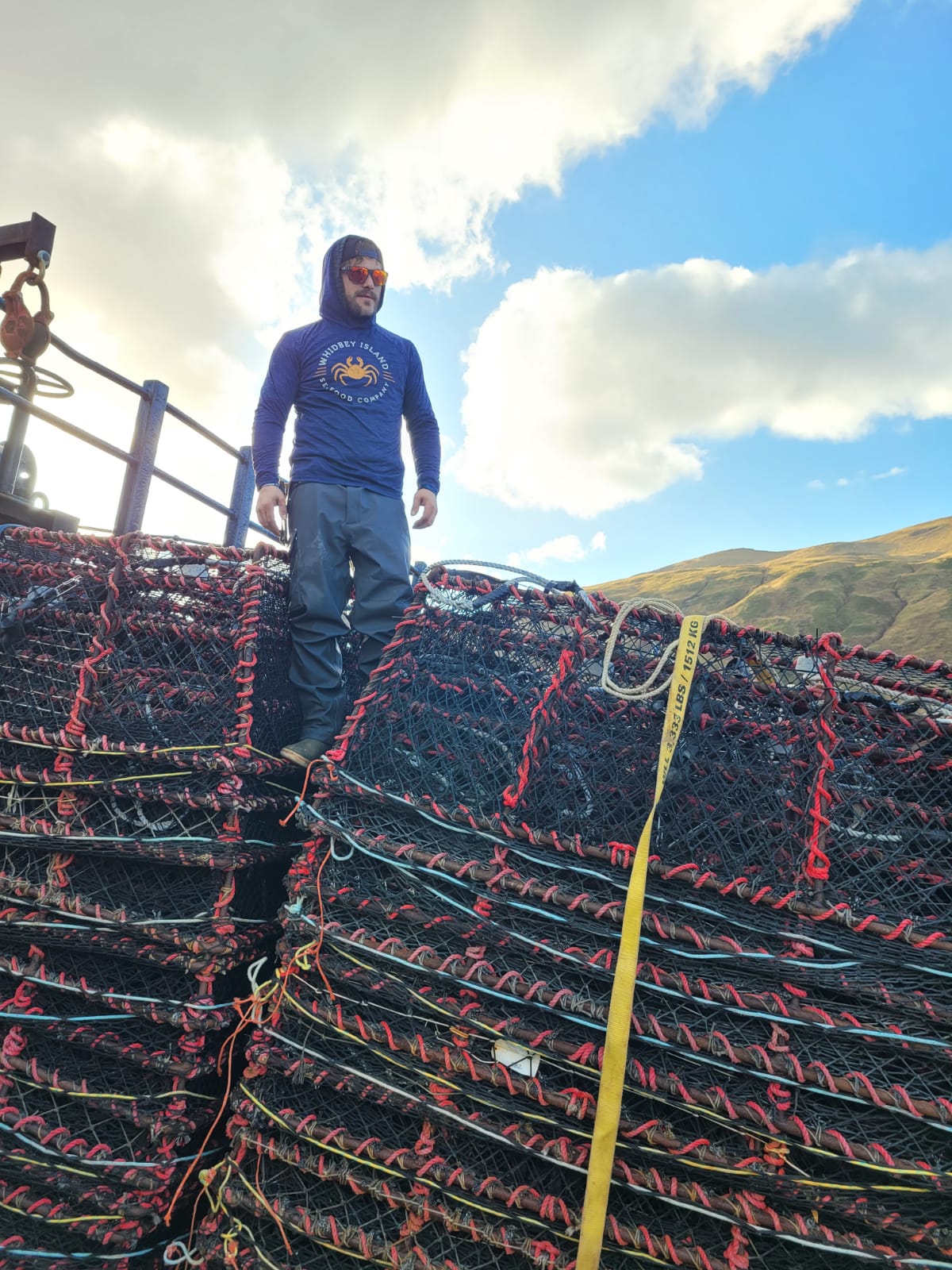
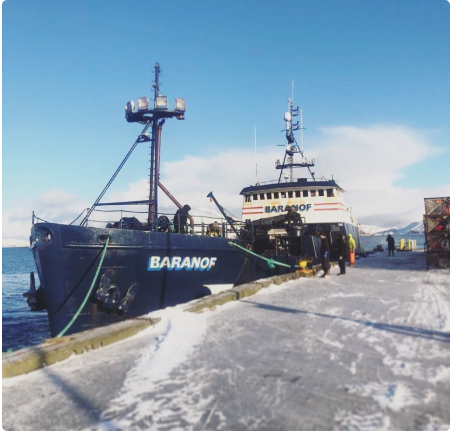
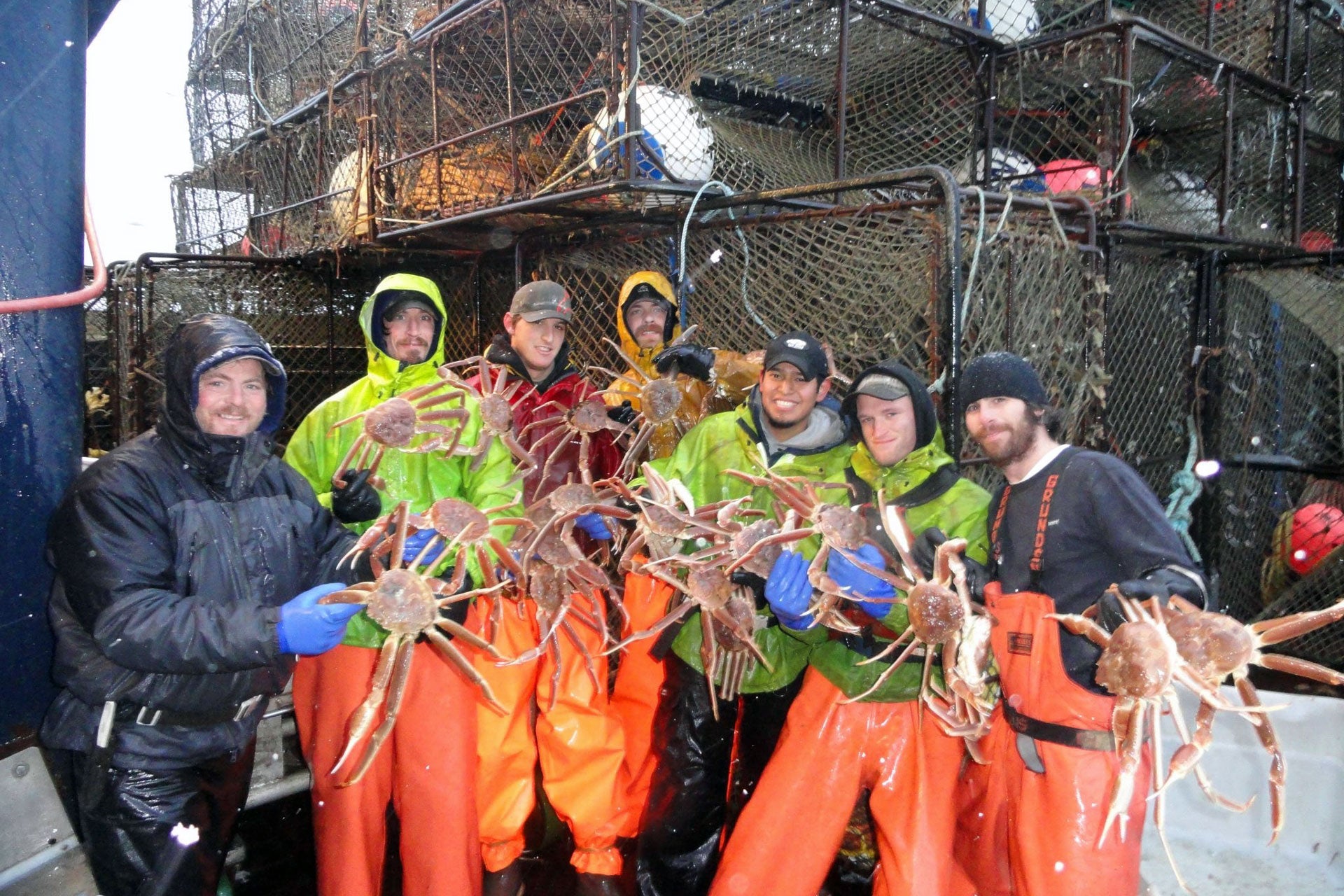
This crab is caught and processed at sea aboard the F/V Baranof in the Northern Bering Sea. Cooking and freezing happen on the boat, within hours of the haul, which is why the meat holds its texture in a way that counter-thawed crab does not. You can read more about the Baranof on her vessel page.

Opilio, bairdi and king: which is which

  • Opilio (snow crab) is the slimmest and sweetest, and the easiest to open. Best value per pound.
  • Bairdi is the larger cousin of opilio, sometimes sold as snow crab too. Thicker legs, a little more meat per cluster, a firmer bite.
  • Red king crab is a different animal altogether: much bigger, hard spiny shell, rich and meaty, and priced accordingly.

If you are choosing between them for a group, opilio clusters feed the most people for the money.

How to cook opilio crab clusters

They arrive cooked, so this is reheating rather than cooking. Do not thaw first.

  • Steam: 6 to 8 minutes from frozen.
  • Boil: 5 to 6 minutes in salted water.

Serve with melted butter and lemon.

Questions people ask

What is opilio crab?
Opilio crab is snow crab. It is a cold-water crab from the Bering Sea with long slim legs, sweet mild meat and a soft shell. Opilio, opie crab and snow crab all refer to the same species.

What is the difference between opilio and bairdi crab?
They are close relatives. Bairdi is the larger of the two, with thicker legs and slightly firmer meat. Opilio is slimmer, sweeter and better value per pound. Both are sold as snow crab.

What is a crab cluster?
A cluster is a whole section of crab with the legs and shoulder still attached, rather than legs separated and sold loose. Clusters include the shoulder meat, so you get more meat per order.

  • Serving Size: 5oz
  • Total Calories - 85cal
  • Total Carb. - 0g
  • Protein. - 16g

To ensure the highest quality and safety, follow these recommended methods for thawing seafood:

Refrigerator Thawing: Place the seafood on a plate and thaw in the refrigerator for 6-8 hours or overnight. This method maintains a safe, constant temperature and preserves the best quality.

Cold Water Thawing: For faster thawing, place your vacuum-sealed seafood in a bowl of cold water, changing the water every 30 minutes. Once thawed, remove the seafood from the packaging, rinse gently with cool water, and pat dry.

Whidbey Island Seafood Company offers to ship to all orders outside of Whidbey Island, Washington. For more information please refer to our Shipping Policy Page.
10 Benefits of Eating Wild Alaskan Seafood

Sustainably Managed Fisheries

Ethically Sourced

Low Bycatch Rates

Minimal Environmental Impact

No Artificial Inputs

Quotas & Regulations

Carbon Footprint

Omega-3 Fatty Acids

Essential Nutrients

Lean Protein without the Additives

Sustainably Managed Fisheries

At Whidbey Seafoods, we source our seafood from carefully managed Alaskan fisheries, ensuring fish populations remain healthy and sustainable for generations to come.

Ethically Sourced

At Whidbey Seafoods, we work with responsible fishermen who adhere to the highest ethical standards, ensuring that both the fisheries and local communities are supported and protected.

Low Bycatch Rates

We prioritize selective fishing techniques that target specific species, significantly reducing bycatch. This helps protect marine biodiversity and ensures that non-target species are preserved.

Minimal Environmental Impact

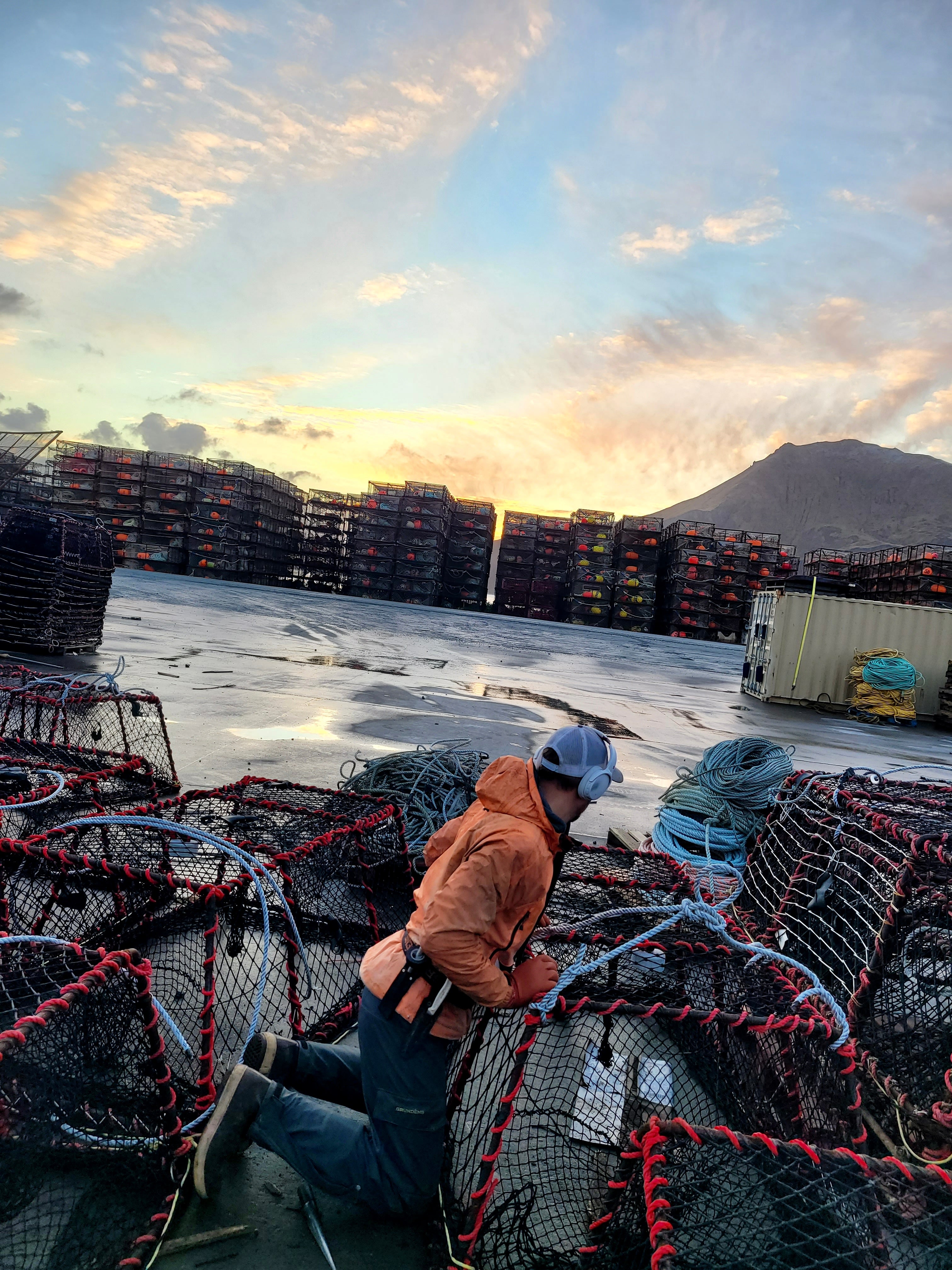
Our seafood is harvested using environmentally responsible methods like longlining, trolling, and pot fishing, which protect marine habitats and minimize disruption to the ecosystem.

No Artificial Inputs

Our wild-caught seafood is 100% natural, free from artificial feeds, antibiotics, and chemicals, offering a clean and environmentally friendly choice compared to farmed alternatives.

Quotas & Regulations

Whidbey Seafoods follows Alaska’s strict fishing quotas and regulations to prevent overfishing. This ensures that our seafood is harvested responsibly, protecting fish stocks for the future.

Carbon Footprint

By sourcing our seafood directly from Alaskan waters and processing it in-house, Whidbey Seafoods reduces the carbon footprint associated with long-distance transportation and industrial farming.

Omega-3 Fatty Acids

Wild Alaskan seafood is a powerhouse of omega-3 fatty acids, which support heart health, reduce inflammation, and improve brain function. These essential fats are known to lower the risk of cardiovascular disease and promote overall well-being.

Essential Nutrients

Wild-caught seafood from Alaska is rich in essential nutrients like vitamin D, selenium, and iodine, offering a more nutrient-dense option compared to farmed fish. These nutrients support immune function, bone health, and overall well-being.

Lean Protein without the Additives

Unlike farmed fish, which may contain artificial feeds and additives, wild Alaskan seafood provides clean, lean protein that supports muscle growth and repair without unnecessary fats or chemicals. It’s a natural and wholesome way to fuel your body.

ONLY FROM HARVESTERS WE TRUST

The F/V Baranof is at the heart of Cape Romanzof Fisheries, dedicated to harvesting the freshest, sustainably sourced seafood from the pristine waters of the Bering Sea. Originally named the Balsam, the FV Baranof began its journey as a Coast Guard 180 ft. Cactus class buoy tender with an icebreaker hull built in Duluth, Minnesota, in the early 1940s. The Baranof has played a vital role in our sustainable fishing operations for decades.

Learn more